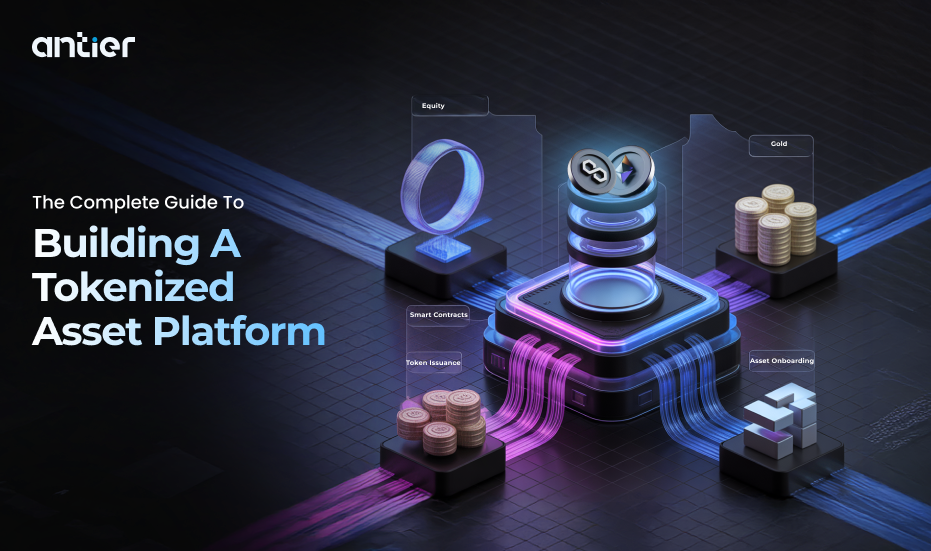
The rapid convergence of blockchain infrastructure, regulatory evolution, and institutional interest has accelerated the shift from experimental tokenization projects to full-scale enterprise platforms. Organizations are no longer focused on issuing isolated tokens; instead, they are investing in comprehensive ecosystems that can support asset onboarding, compliance enforcement, ownership governance, and liquidity enablement over the long term. This transition has made the tokenized asset platform a critical layer of modern digital finance infrastructure.
A mature platform is not simply a technical implementation—it is a business-critical system that aligns legal enforceability, operational governance, and decentralized execution. Enterprises seeking to unlock liquidity from illiquid assets, expand investor access, or modernize capital formation increasingly rely on structured tokenized asset platform development strategies rather than ad hoc smart contract deployments.
As adoption grows across real estate, financial instruments, commodities, and alternative assets, the need for scalable, compliant, and secure platforms has become paramount. This guide provides an in-depth, development-focused roadmap for enterprises looking to build a tokenized asset platform that meets institutional standards and real-world operational demands.
What Is a Tokenized Asset Platform?
A tokenized asset platform is a complete digital solution that enables the creation of blockchain-based tokens representing the rights to own real-world or digital assets. It does this while maintaining all of the legal, regulatory, and operational aspects related to those assets. Unlike basic token issuance tools, a Tokenized Asset Platform provides a complete lifecycle management solution from the time an asset is structured and issued, through all secondary transactions and reporting, to the time an asset is redeemed or retired.
From a technical standpoint, a tokenized asset platform consists of both an on-chain smart contract component and many off-chain services. These off-chain services include identity verification, compliance engines, legal document portfolio systems, and custodial solutions, among others. The hybrid design of Tokenized Asset Platforms allows tokenized assets to be legally enforceable and operationally viable under current regulations, which is of utmost importance for enterprises. The distinction between tokenized asset platforms and other solutions lies in the ability of a Tokenized Asset Platform to connect traditional finance with decentralized technologies without adding any regulatory or reputational risks.
In addition to connecting stakeholders such as issuers, investors, custodians, regulators, and marketplace operators, the tokenized asset platform provides a central hub for coordinating all of these participants. Each stakeholder has a defined role in the Tokenized Asset Platform with specific permissions, thereby fostering transparency and accountability in asset transactions.
Key characteristics of an enterprise-grade tokenized asset platform include:
- Immutable ownership records secured by blockchain
- Smart contracts governing issuance, transfers, and asset lifecycle events
- Built-in compliance workflows aligned with jurisdictional requirements
- Role-based access for issuers, investors, and administrators
- Secure integration with wallets, custodians, and external systems
These characteristics form the foundation of scalable tokenized asset platform development and differentiate enterprise platforms from experimental tokenization projects.
Start Your Tokenized Asset Platform Journey with Expert-Led Guidance
Key Asset Classes Supported by Tokenized Asset Platforms
The primary benefit of creating a multi-asset tokenized asset Platform (or Tokenized Asset Platform) with a robust architecture is that it provides the flexibility to house different types of assets within the same ecosystem. By using modular design principles, businesses can configure the logic of each specific asset without changing the underlying infrastructure of the Tokenized Asset Platform. Therefore, businesses can create multiple types of assets or diversify their product offerings and can conform to the requirements of market demand without having to change the governance or compliance structure that underpins their business.
1. Real Estate Assets
Real estate is often cited as one of the most common industries using blockchain technology to tokenize assets. Real estate has historically been viewed as a less liquid (longer time frame for selling) and requires larger upfront investments than many other types of investments. Tokenized Asset Platforms allow entrepreneurs and businesses to fractionalize their real estate holdings and give them access to more potential investors while allowing investors to invest a smaller amount to have a piece of the entire portfolio. This allows a Tokenized Asset Platform to gather together and manage the documentation related to a property, provide periodic valuations, distribute income from rental properties, and manage ownership rights on both on-chain tokens as well as off-chain legal rights.
2. Financial Instruments
Tokenized equity, bond and fund investments provide programmable and faster settlements and provide less reliance on intermediaries. Tokenized Asset Platforms are capable of enforcing transfer restrictions, investor accreditation and corporate actions via smart contracts. Therefore, the development of tokenized asset platforms in the institutional finance industry is increasingly appealing.
3. Commodities & Physical Assets
Fractional tokenization of physical assets such as gold or energy enhances their traceability, liquidity & transparency. The tokens created through the fractional process allow investors to benefit from the asset while maintaining full legal title to it via a digital representation of the physical asset. Custodians & auditors validate that the tokens created by the platform are backed by legal documentation (this will ensure ongoing compliance).
4. Alternative & Private Assets
Fractional ownership allows for greater accessibility of private equity, venture capital, IP, and collectibles. In some cases, the complex ownership structures and governance rights of these assets prevent investors from accessing them directly.
5. NFT-Backed & Hybrid Assets
NFT-backed models are increasingly becoming a way for organizations to provide more clarity to their clients regarding the unique characteristics and provenance of the assets they own. Hybrid models are being used within the real-world environment of regulated tokenization platforms.
Asset categories commonly supported include:
- Residential and commercial real estate
- Infrastructure and development projects
- Debt instruments and revenue-generating assets
- Tokenized investment funds
- NFT-linked physical and financial assets
Core Features of a Tokenized Asset Platform
To encourage users to adopt an enterprise platform, it must have a comprehensive feature set to support compliance, adoption, and scalability for the future. Enterprise Platforms were created to manage all phases within the EDC’s Asset Lifecycle as well as promote transparency and operational efficiency.
1. Asset Onboarding and Token Issuance
Issuers will follow a structured workflow for registering assets by creating an asset record in the system, uploading associated documents, defining the total number of Tokens, and initiating Token Issuance when aligned with the relevant legal framework.
2. Compliance and Investor Management
Integrated KYC/AML processes; Accreditation checks; and Jurisdictional controls combine to ensure that regulatory compliance is maintained within the lifecycle of the digital asset.
3. Digital Asset Custody, Wallet & Transaction Management
Enhanced digital asset custody solutions offer maximum protection against unauthorized access to digital assets, with secure storage of private keys and public key credentials, signed transactions, and all related transaction execution processes, including marketplace/primary issuance and secondary trading while upholding compliance requirements.
4. Governance, Reporting & Analytics
Dashboards provide real-time visibility into ownership distribution, transactions, and regulatory reporting.
Core features include:
- Asset lifecycle management
- Automated compliance enforcement
- Secure custody and wallet integration
- Trading and liquidity enablement
- Audit trails and reporting tools
How to Build a Tokenized Asset Platform
In order to develop a production-ready platform for asset tokenization, an organization must align its technological framework with legal and operational frameworks; this can be accomplished by working with an experienced asset-tokenization-development company. An organization must engage such a company to help it work through the complexities of asset tokenization and meet any necessary regulatory requirements.
1. Requirement Discovery and Asset Feasibility Analysis
During this phase, developers and stakeholders will begin to assess whether or not their assets are eligible for tokenization. They will establish the ecosystem for developing the platform for tokenizing those assets and will discuss potential jurisdictional constraints, ownership structures, and investor requirements that must be addressed. The decisions made during this phase will impact how the platform is architected, how it complies with regulations, and how tokens will be structured.
Key focus areas include:
- Asset classification and ownership rights
- Regulatory feasibility across jurisdictions
- Token rights, obligations, and limitations
- Risk assessment and compliance mapping
2. Platform Architecture and Blockchain Selection
The scaling, safety, and compatibility of an organization’s digital assets depends on its architectural design. When determining a blockchain network, an enterprise assesses the throughput of the network, how decentralized it is, how mature the network’s ecosystem is, and how well they support compliance. Many enterprise deployments employ a hybrid approach by combining either public or permissioned blockchains with off-chain services.
Architectural considerations include:
- On-chain vs off-chain data allocation
- Blockchain protocol and consensus selection
- Privacy, scalability, and cost optimization
- Integration with legacy financial systems
3. Smart Contract and Token Standard Development
The rules related to the creation, transfer, and use of crypto tokens have been created by smart contracts. When developing their respective token types, developers will choose which standards to adopt based on asset type and regulatory guidelines. Token types and standards need to be compatible with any digital wallets, custodians, and exchanges that may have access to the asset types.
Development activities include:
- Token standard customization
- Compliance logic integration
- Corporate action handling
- Security testing and validation
4. Frontend, Backend, and API Development
Applications for end users and back-end systems provide the necessary interactions between the tokenized asset platform and end users. The applications and back-end systems include functions for onboarding assets into the platform, viewing transaction histories, and generating reports; each is integrated with other external systems.
Core development areas include:
- Issuer and investor portals
- Admin and compliance dashboards
- API gateways and integrations
- Performance and UX optimization
5. Testing, Security Audits, and Deployment
The platforms have completed rigorous testing and completed a third-party audit and testing before launching. These processes assist in identifying areas of improvement for platform security, compliance with regulations, and operational efficiency.
Deployment activities include:
- Functional, load, and stress testing
- Smart contract security audits
- Infrastructure hardening
- Mainnet deployment and monitoring
This phased approach enables enterprises to confidently build a tokenized asset platform that meets institutional expectations.
Real-World Examples of Tokenized Asset Platforms
Practical implementations highlight how enterprises are leveraging real-world asset tokenization platforms to modernize asset management and investment access.
1. Real Estate Platforms
Enable fractional ownership, global participation, and automated income distribution.
2. Financial Product Platforms
Support tokenized bonds, funds, and structured products with instant settlement.
3. Commodity Platforms
Link tokens to physical assets with transparent custody verification.
4. Private Market Platforms
Unlock liquidity for private equity and alternative investments.
Key insights from adoption include:
- Compliance-first design builds trust
- Modular architecture supports growth
- Security and auditability are essential
Regulatory Readiness & Compliance Strategy for Tokenized Asset Platforms
The compliance readiness of any tokenized asset platform is one of the most critical steps to take before going live, as it relates to real-world assets being tokenized and having investors participate in those assets. Now that various countries are beginning to clarify their position on digital securities, ownership of these assets, and the use of blockchain technology in regard to financial products, all businesses looking to develop tokenized asset platforms should be taking the time to ensure their compliance will be built in during the initial stages of building their technology platform.
Additionally, taking a compliance-first approach will reduce your risk for legal and operational issues while building more trust with your investors and increasing the likelihood of institutional investment in your platform, as well as building a platform that can be successful in the long-term. As an organization looking to develop a tokenized asset platform, it is critical to keep your technology design in alignment with evolving regulations so as to build a sustainable ecosystem where you are able to operate at a global level.
Key Components of Regulatory Readiness and Compliance Strategy:
- Jurisdiction-Specific Regulatory Alignment
Regulatory requirements differ based on asset class and geography. Platforms must support regional compliance without limiting global expansion. - Built-In KYC and AML Workflows
Identity verification, transaction monitoring, and audit trails should be natively integrated across onboarding and asset transfers. - Investor Eligibility Controls
Smart contracts must enforce investor restrictions such as accreditation status, transfer limits, and geographic access. - On-Chain and Legal Framework Alignment
Token logic should accurately reflect off-chain legal agreements and asset ownership rights. - Auditability and Regulatory Reporting
Immutable transaction records and reporting capabilities enable transparency and simplify regulatory reviews. - Data Privacy and Protection Compliance
Sensitive data should remain off-chain while maintaining cryptographic proof on-chain for regulatory integrity. - Regulatory Adaptability
Modular compliance architecture allows platforms to adjust to evolving regulations without redevelopment. - Compliance-Driven Development Expertise
Partnering with an experienced asset tokenization platform Development company ensures regulatory risks are addressed early and effectively.
Start Building Your Tokenized Asset Platform
Building Tokenized Asset Platforms for Long-Term Value
The expertise needed for a tokenized asset platform involves understanding Blockchain Technology, Finance, and Regulatory Compliance. By working with a firm that has experience developing Tokenized Asset Platforms, businesses can minimize their risk while speeding up the deployment of a tokenized platform.
As the digital asset ecosystem continues toward maturity, Tokenized Asset Platforms will serve more as a foundational infrastructure than an optional innovation. When businesses develop a Tokenized Asset Platform, they will set themselves up to be able to efficiently access liquidity, expand their reach into new market segments, and deliver sustainable value over the long-term.
Antier enables companies to create safe, scalable, and compliant tokenized asset platforms through our extensive background in blockchain engineering and real-world asset tokenization. Our leading asset tokenization platform development company has the ability to help businesses rapidly develop their platforms using established frameworks and comprehensive development capabilities, thereby reducing the risk associated with the development process from both a technical and regulatory perspective.
Frequently Asked Questions
01. What is a tokenized asset platform?
A tokenized asset platform is a comprehensive digital solution that creates blockchain-based tokens representing ownership rights to real-world or digital assets, while ensuring compliance with legal and regulatory requirements throughout the asset’s lifecycle.
02. Why are enterprises investing in tokenized asset platforms?
Enterprises are investing in tokenized asset platforms to unlock liquidity from illiquid assets, expand investor access, and modernize capital formation, relying on structured development strategies for long-term operational success.
03. What components make up a tokenized asset platform?
A tokenized asset platform consists of an on-chain smart contract component and various off-chain services, including identity verification, compliance engines, legal document systems, and custodial solutions, ensuring legal enforceability and operational viability.